Salamanders, OR
Getting into herping....

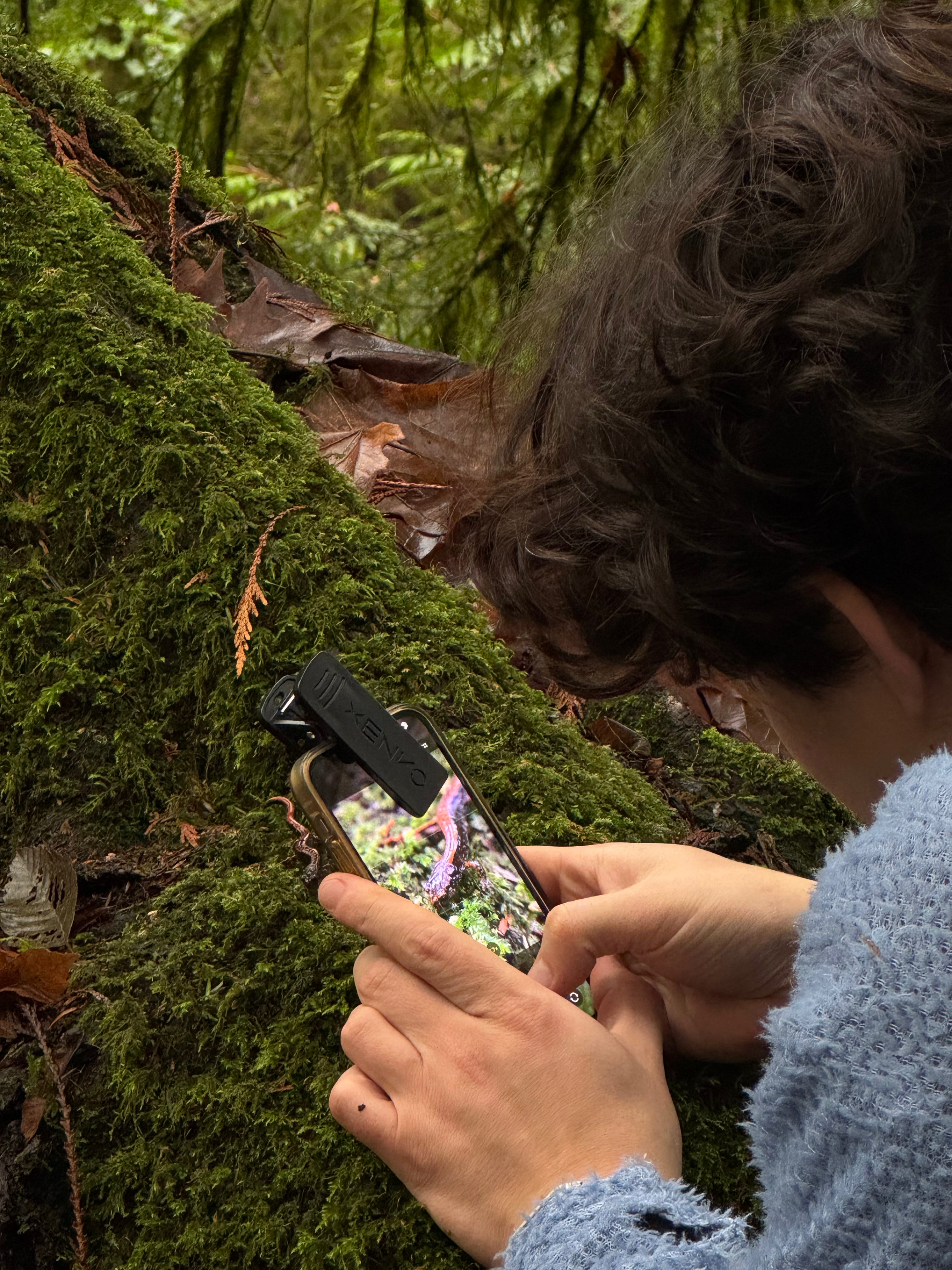
I’ve been on a mission to find all of Oregon’s salamanders, and over the past two months I’ve learned so much about these secretive little amphibians. The more I learn, the deeper I go down the rabbit hole… or should I say, the salamander hole?
Salamanders are all around us. In some parts of the Pacific Northwest, they make up the majority of the animal biomass in the forest. There are 19 species of salamanders in Oregon, and yes, newts are a type of salamander too! So far, I’ve been able to ID nine of them, which means I still have a long way to go.
Here’s the list of the ones I’ve found so far.
Rough Skinned Newt
Oregon Ensatina
Coastal Giant Salamander
Western Red-Backed Salamander
Dunn’s Salamander
Long Toed Salamander
Clouded Salamander
Cascade Torrent Salamander
Oregon Slender Salamander
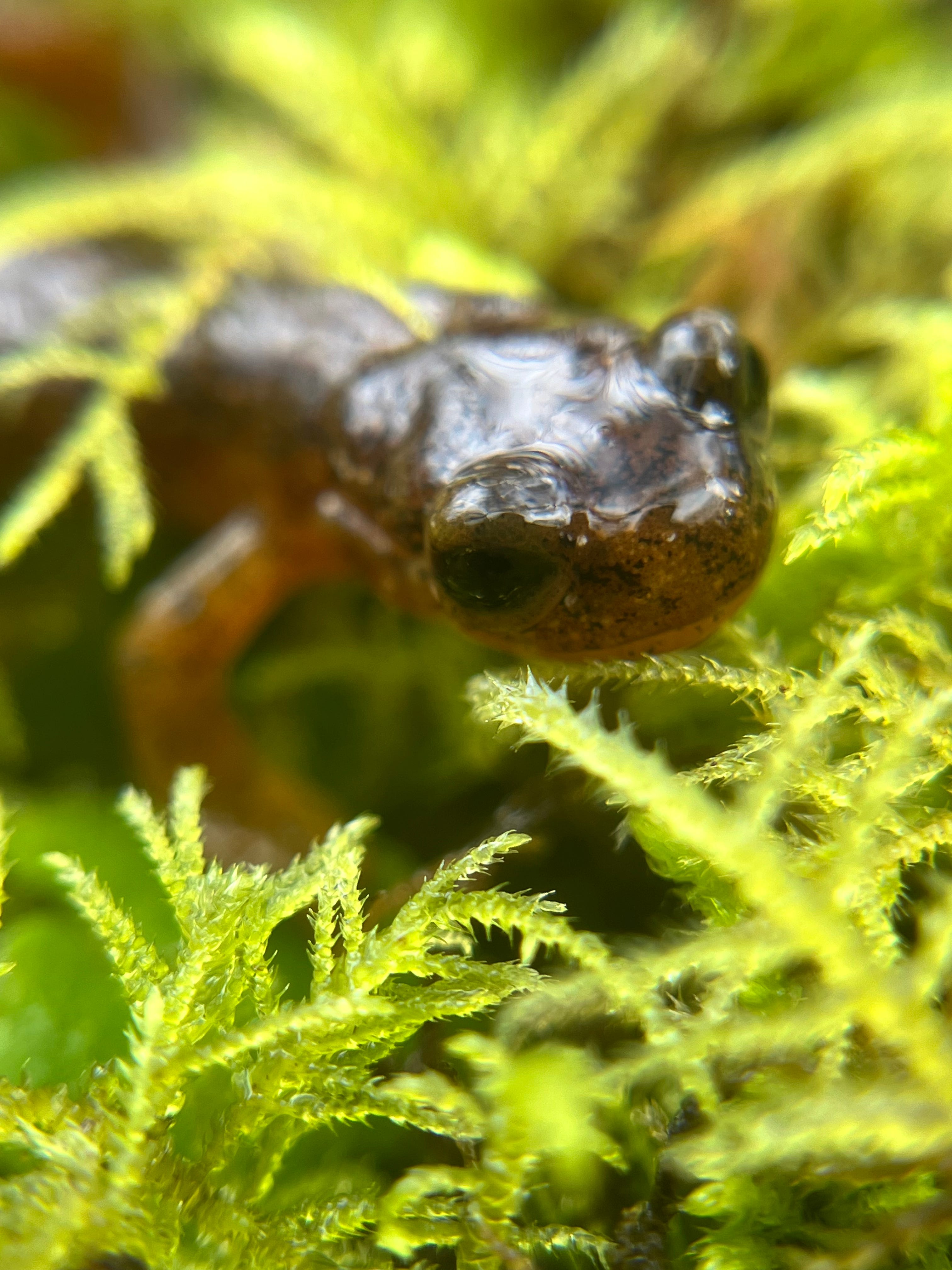
Cascade Torrent Salamander (Rhyacotriton cascadae)
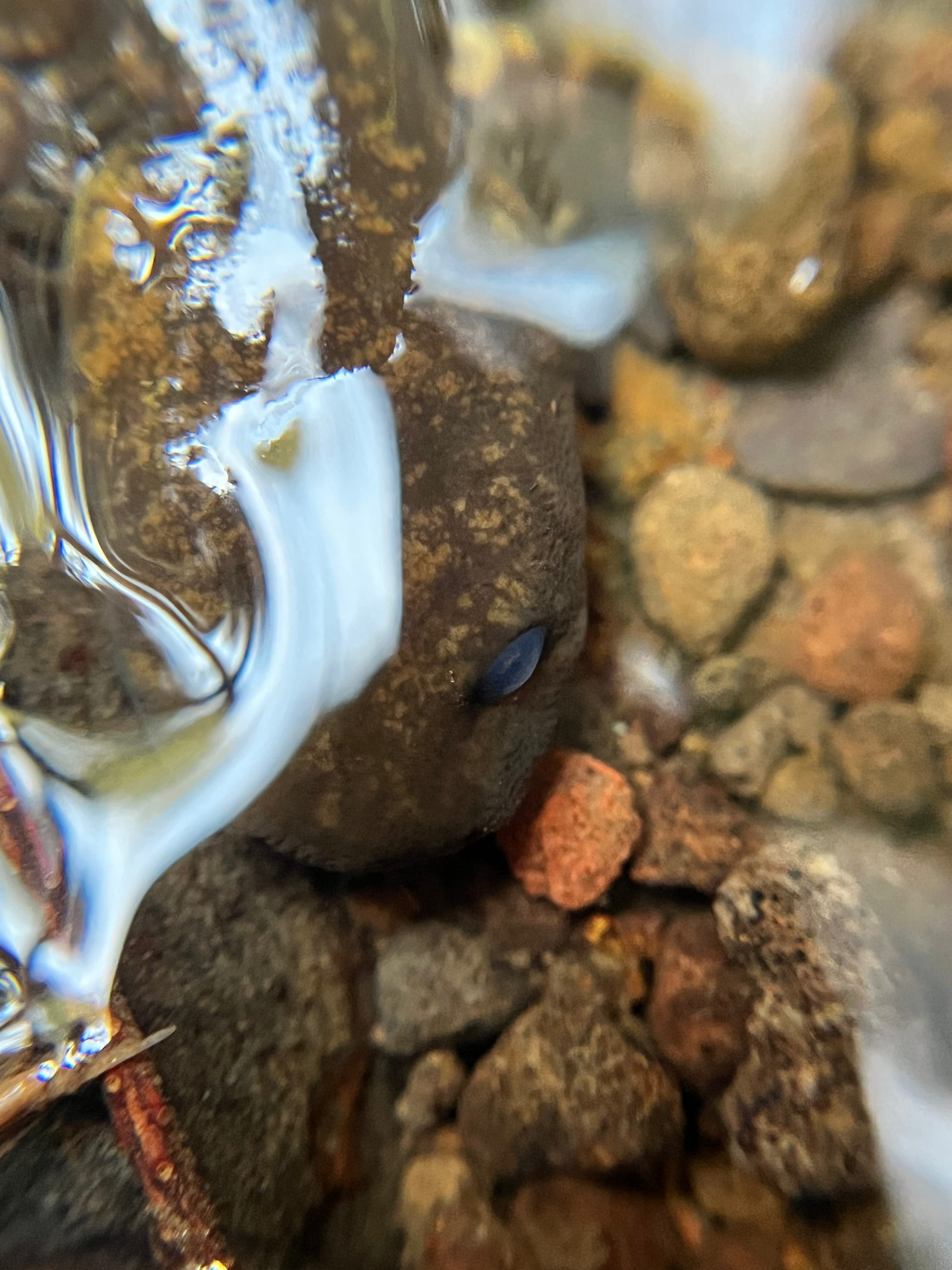
Giant Coastal Salamander (Dicamptodon tenebrosus)
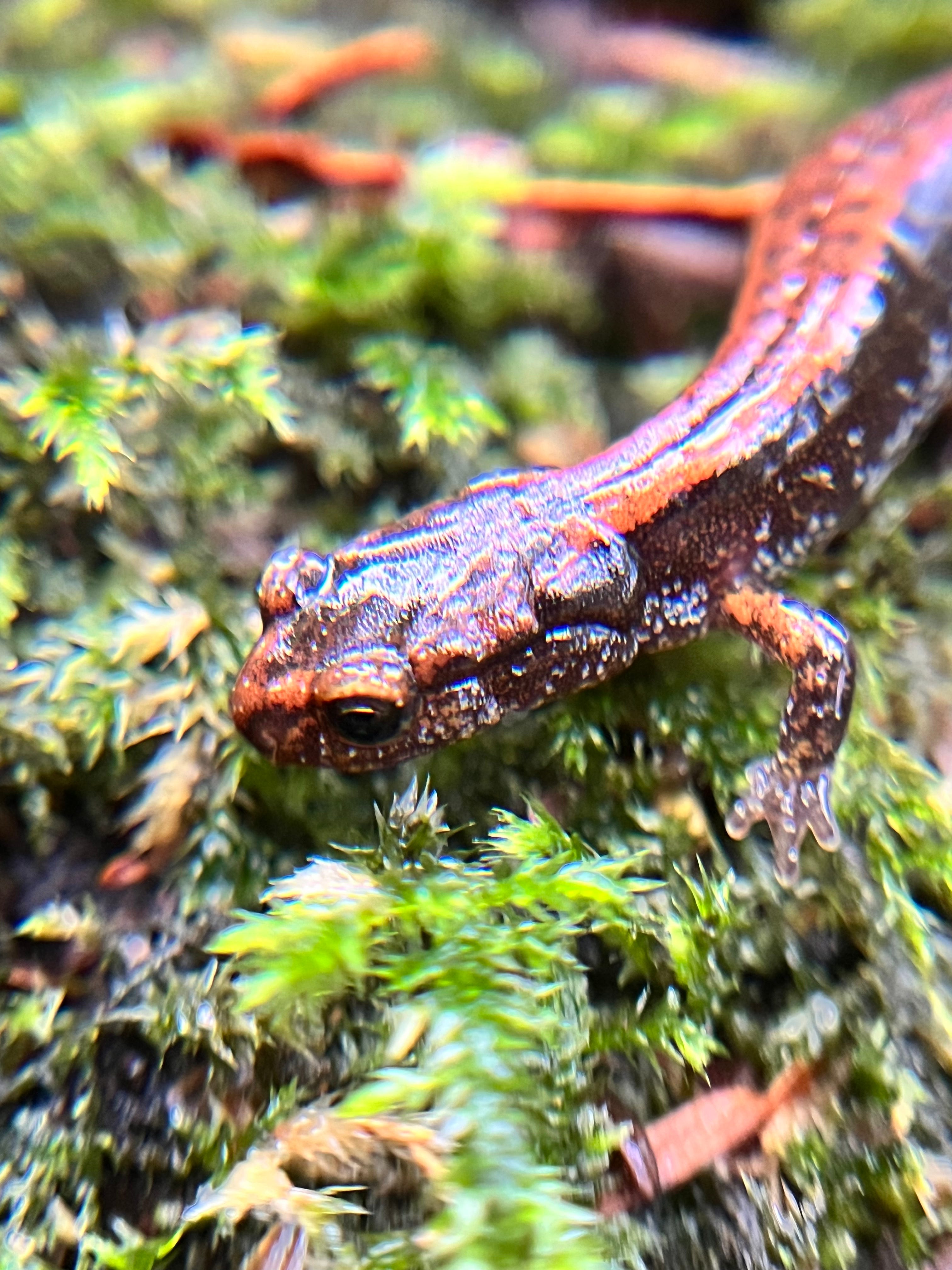
Western Red-backed Salamander (Plethodon vehiculum)
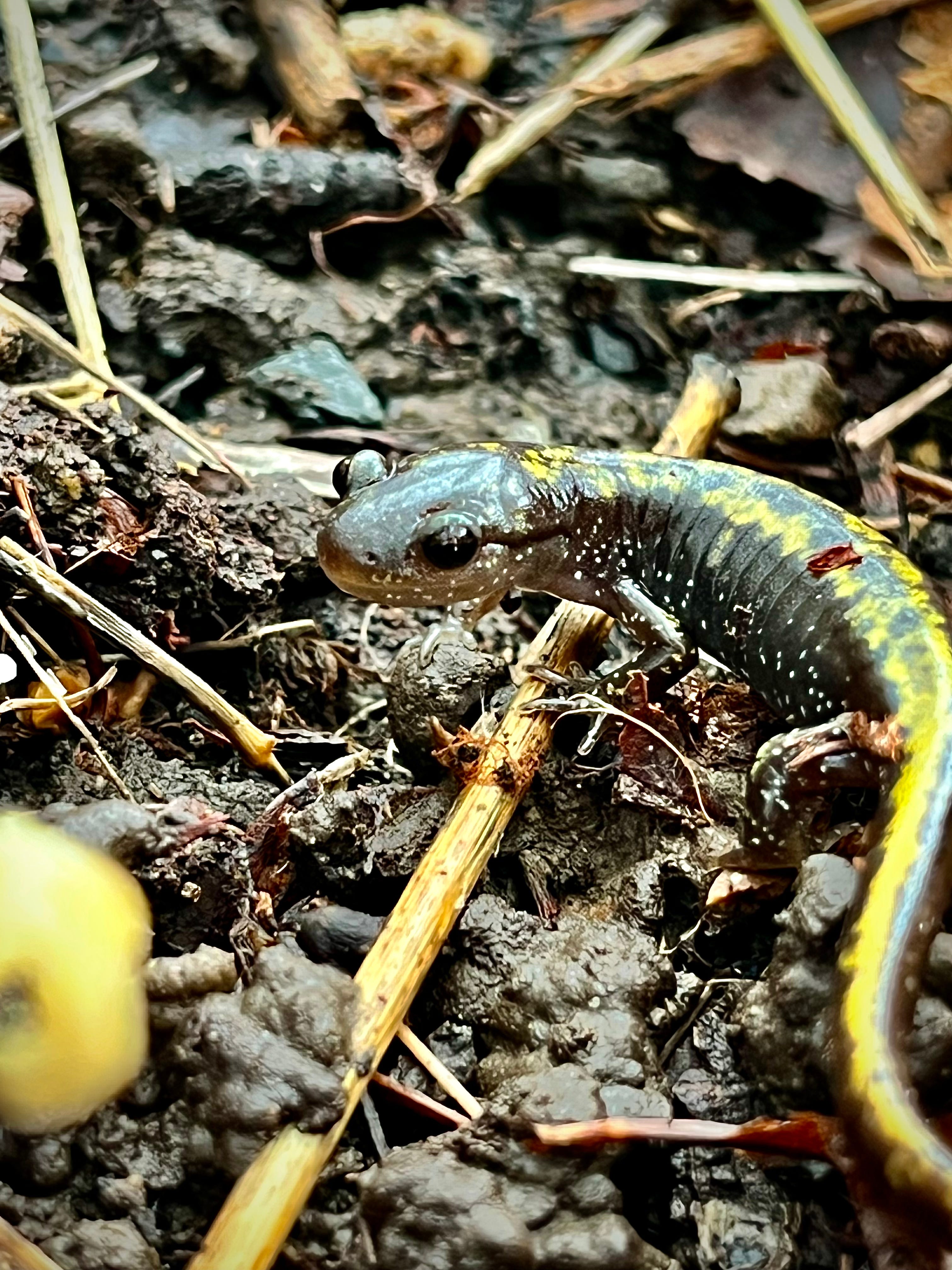
Long-Toed Salamander (Ambystoma macrodactylum)
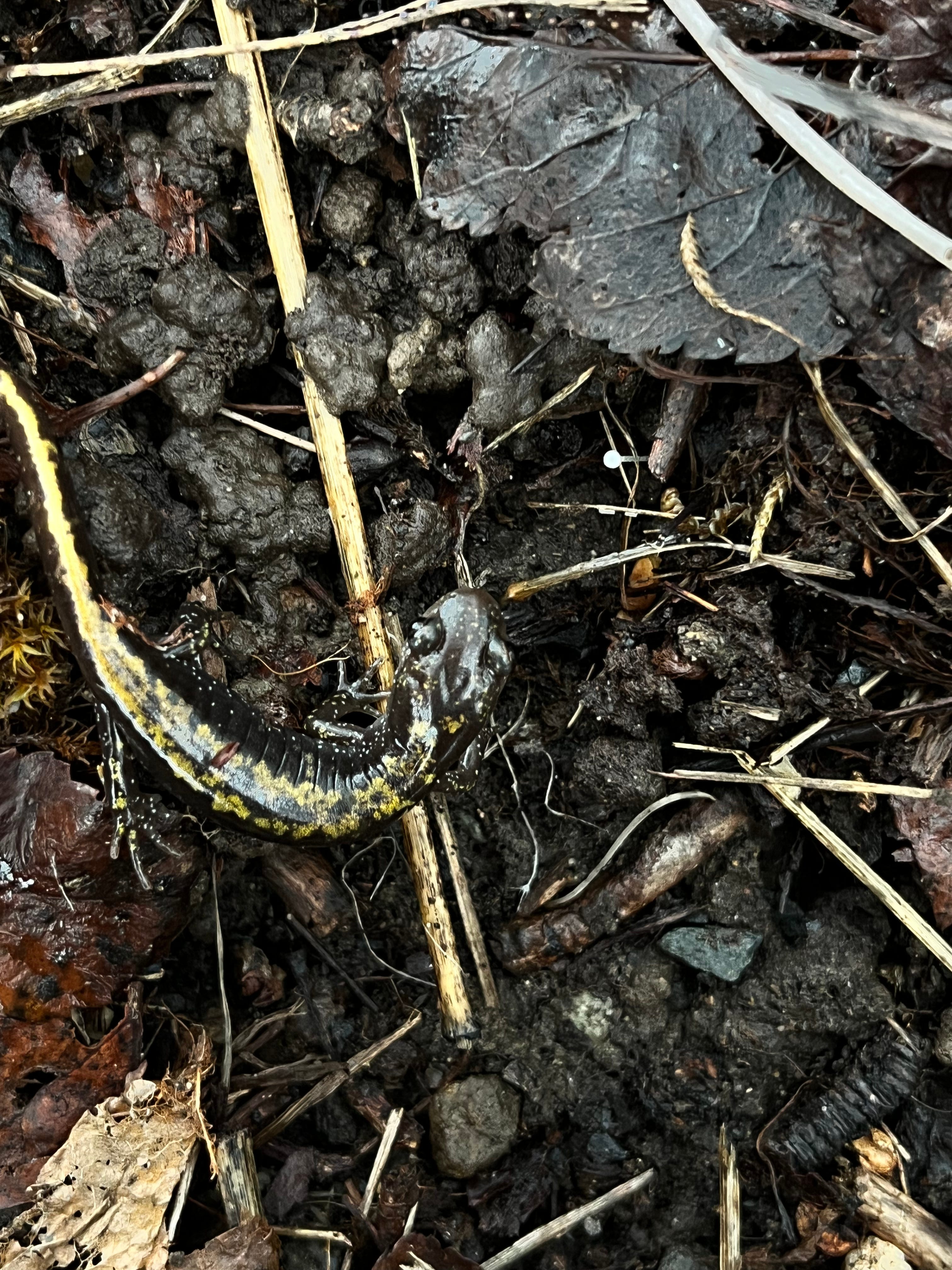
Long Toed Salamander (Ambystoma macrodactylum)
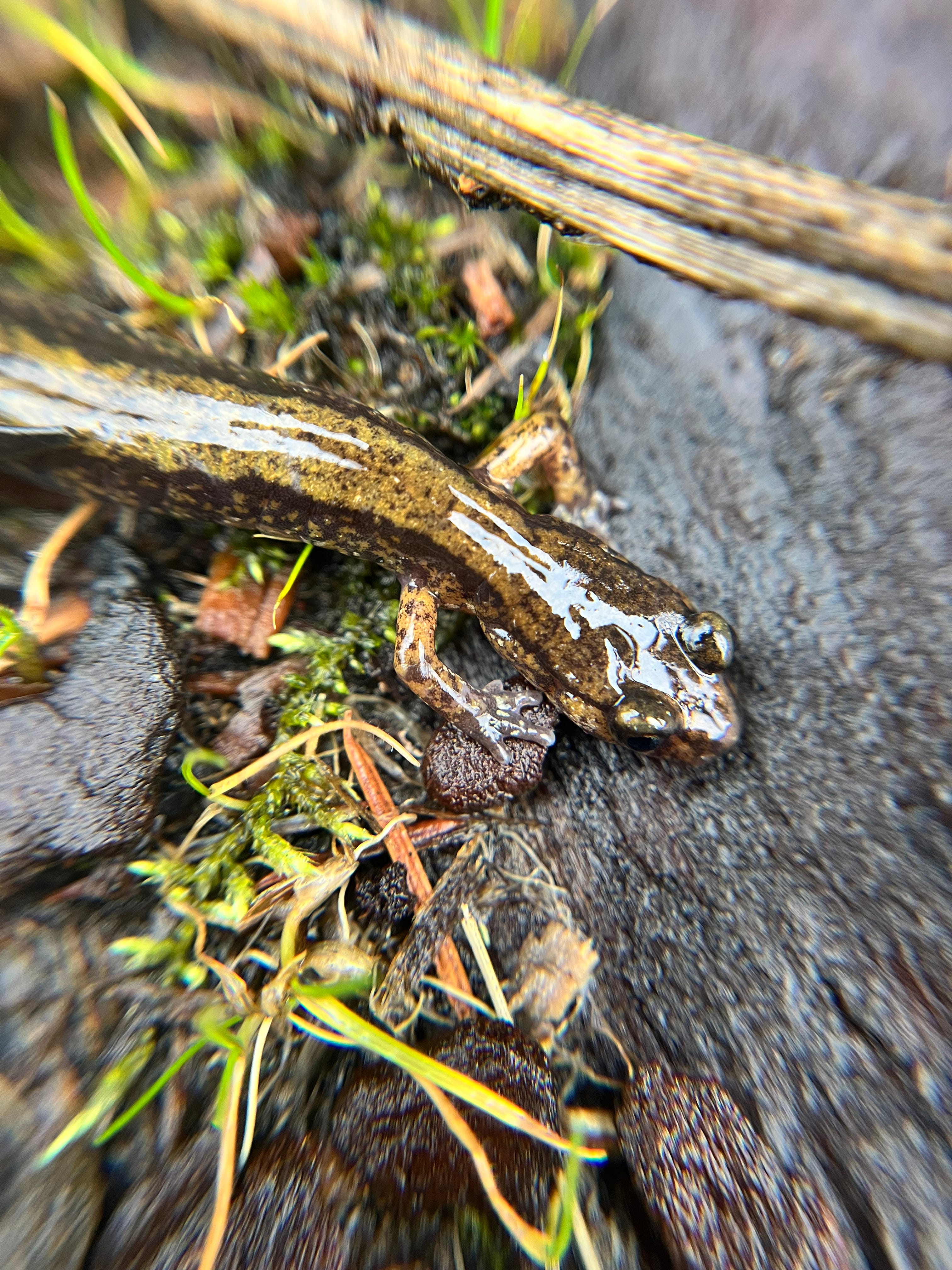
Dunn’s Salamander (Plethodon dunni)
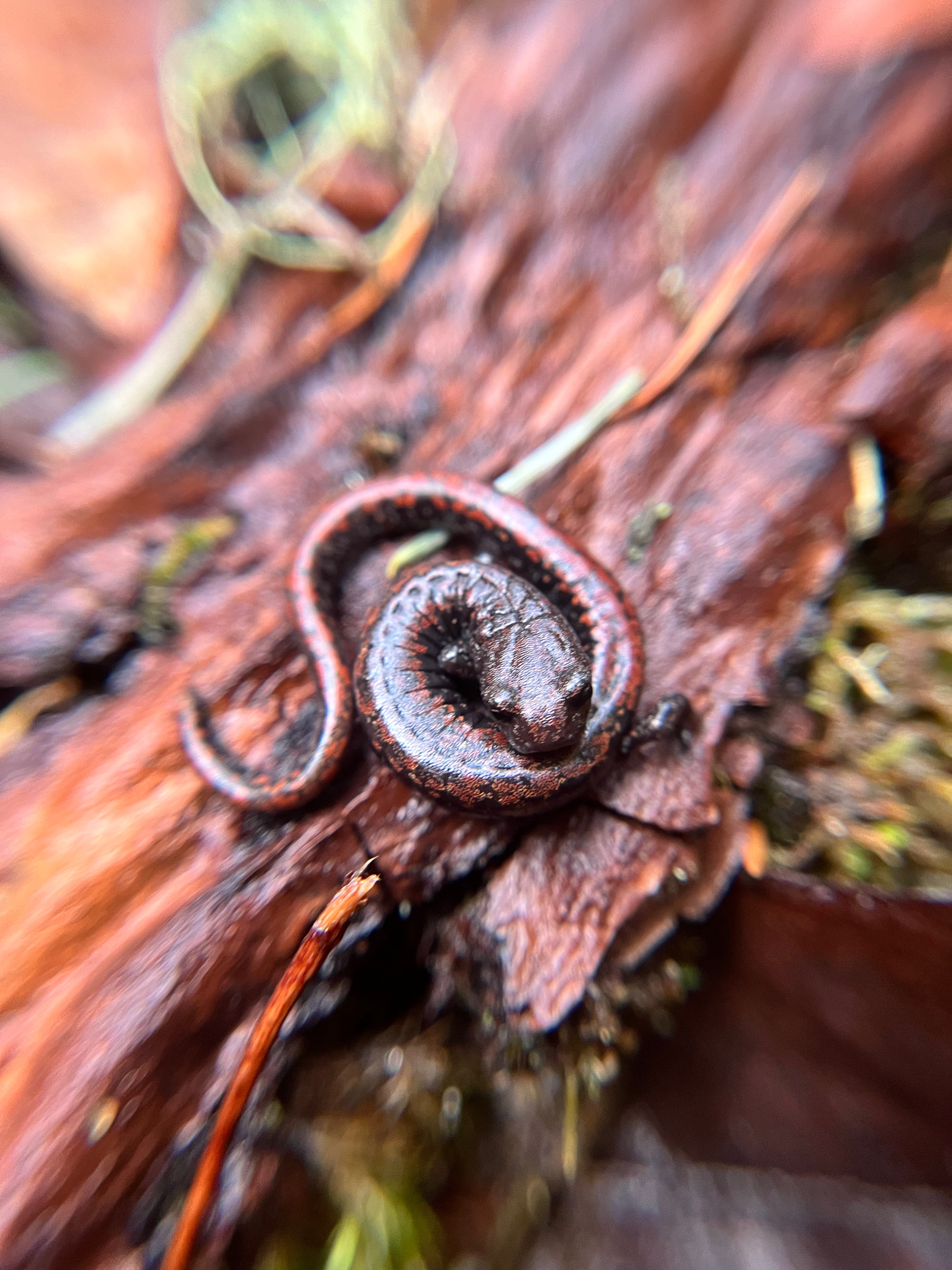
Oregon Slender Salamander (Batrachoseps wrighti)
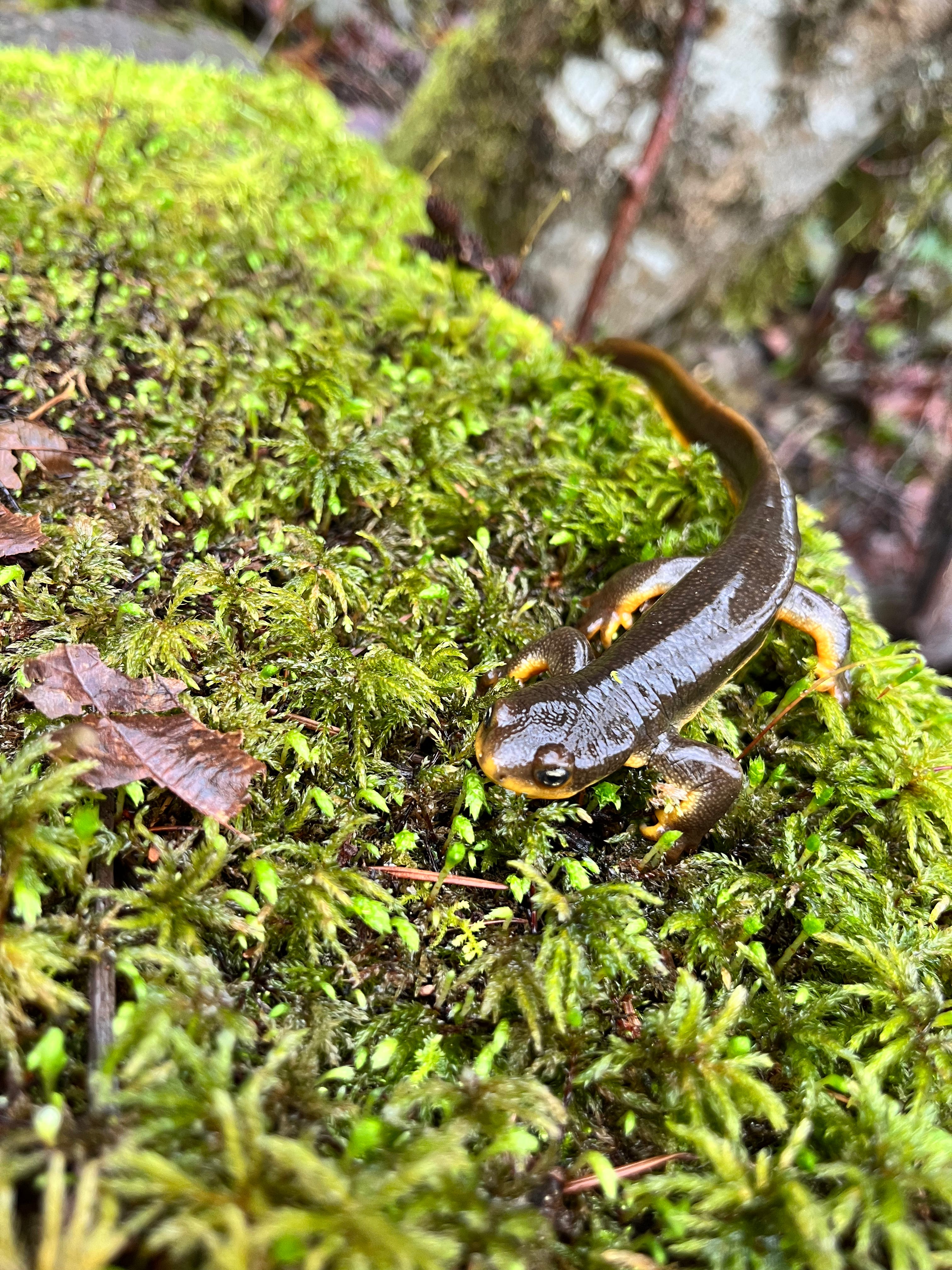
Rough Skinned Newt (Taricha granulosa)
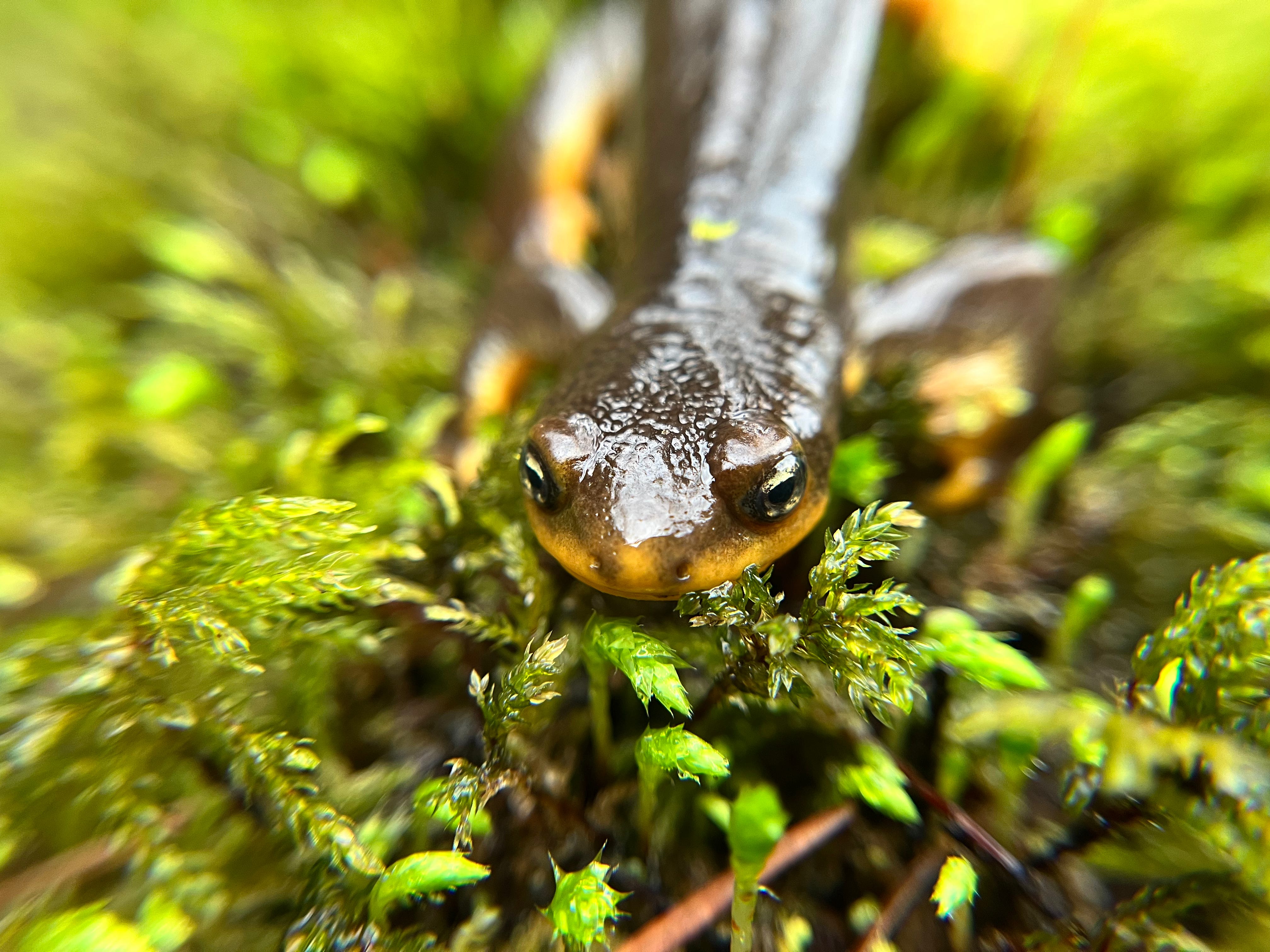
Rough Skinned Newt (Taricha granulosa)
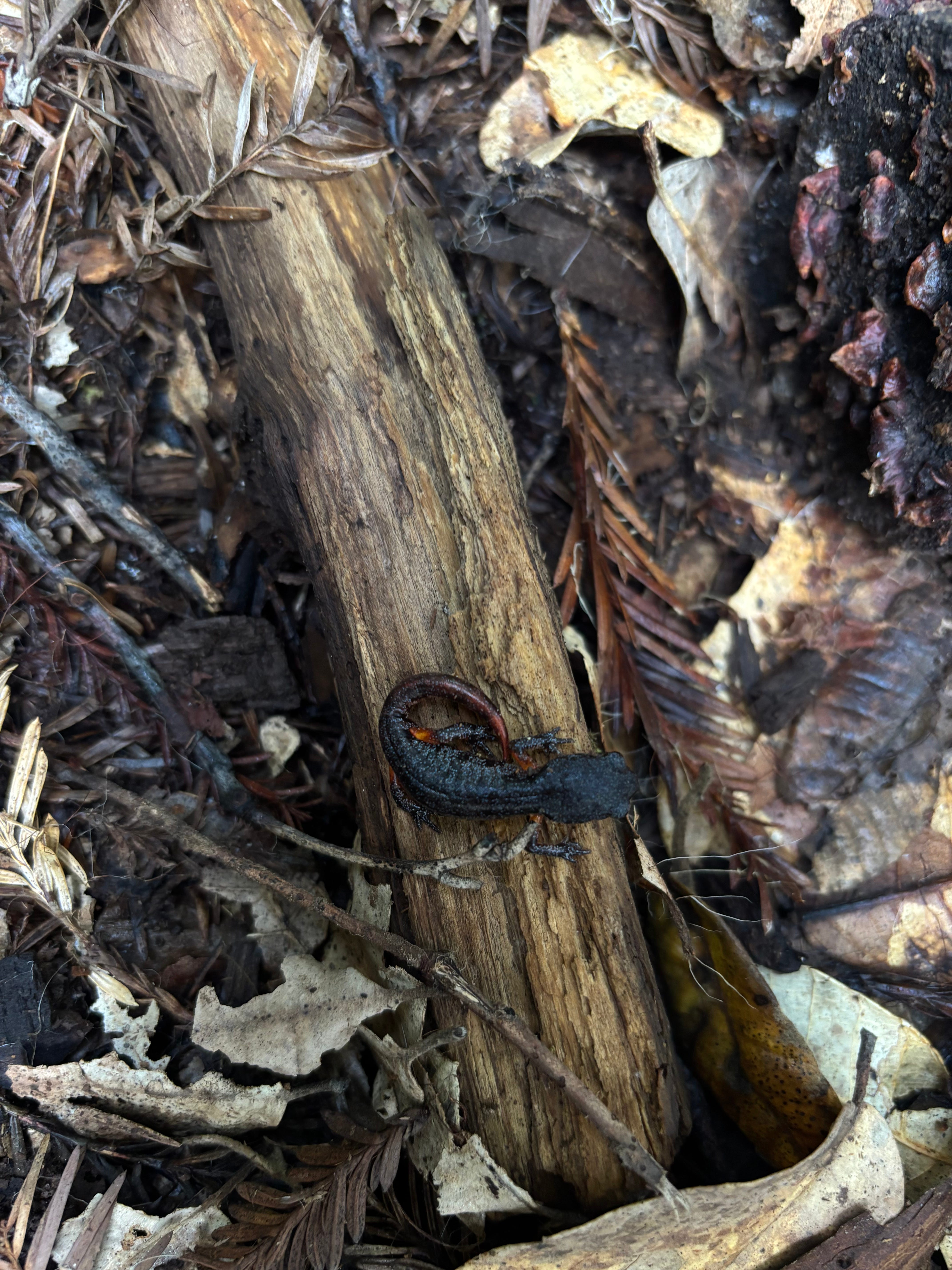
Oregon Ensatina (Ensatina eschscholtzii oregonensis)
Here’s the list of the one’s I’m still looking for in northern OR…
Cope’s Salamander
Northwestern Salamander
Larch Mountain Salamander
Columbia Torrent Salamander
There are also a handful of salamanders still to find that occur in southern and eastern Oregon, so that will take a bit more traveling, but I have plans to head down there and look in spring.
California Slender Salamander
Siskou Mountain Salamander
Klamath Black Salamander
Del Norte Salamander
Western Tiger Salamander
Southern Torrent Salamander
I’ve also started working on a field guide to Oregon’s salamanders, since there really isn’t anything quite like it out there from what I could find. I’m imagining something similar to my botany field guide to the Columbia river gorge; a pocket-sized guide that isn’t overly technical, but sparks curiosity and inspires people to notice these lovely creatures. I want it to highlight their life cycles and ecology while staying accessible and engaging. So that kind of explains the whole uptick in salamander content as of late.
Writing this and putting it out here is partly about holding myself accountable to actually see it through. It’s coming together nicely, but finding these little guys is a lot of work! Especially with the extra-dry winter we’ve been having, salamander surveys have been very hit or miss. And honestly, sometimes they don’t want to be found at all…
The thing I’m most excited about is the surveys I’ll be doing with The Wetlands Conservancy over the next couple of weeks. I volunteered for a community science project that monitors salamander breeding in Washington County. We’ll strap on our waders and search wetlands for amphibian eggs! Primarily red-legged frogs, Pacific tree frogs, Northwestern salamanders, and long-toed salamanders. This is right around the time they migrate to breed and lay eggs, so it’s officially go time for me (and the salamanders too). More on that soon!
I wanted to share some of the photos I’ve taken so far, both to document them here and to give you a sneak peek of what the field guide might look like. And if you’re reading this, hit me up I’d love to take you on a salamander hike!
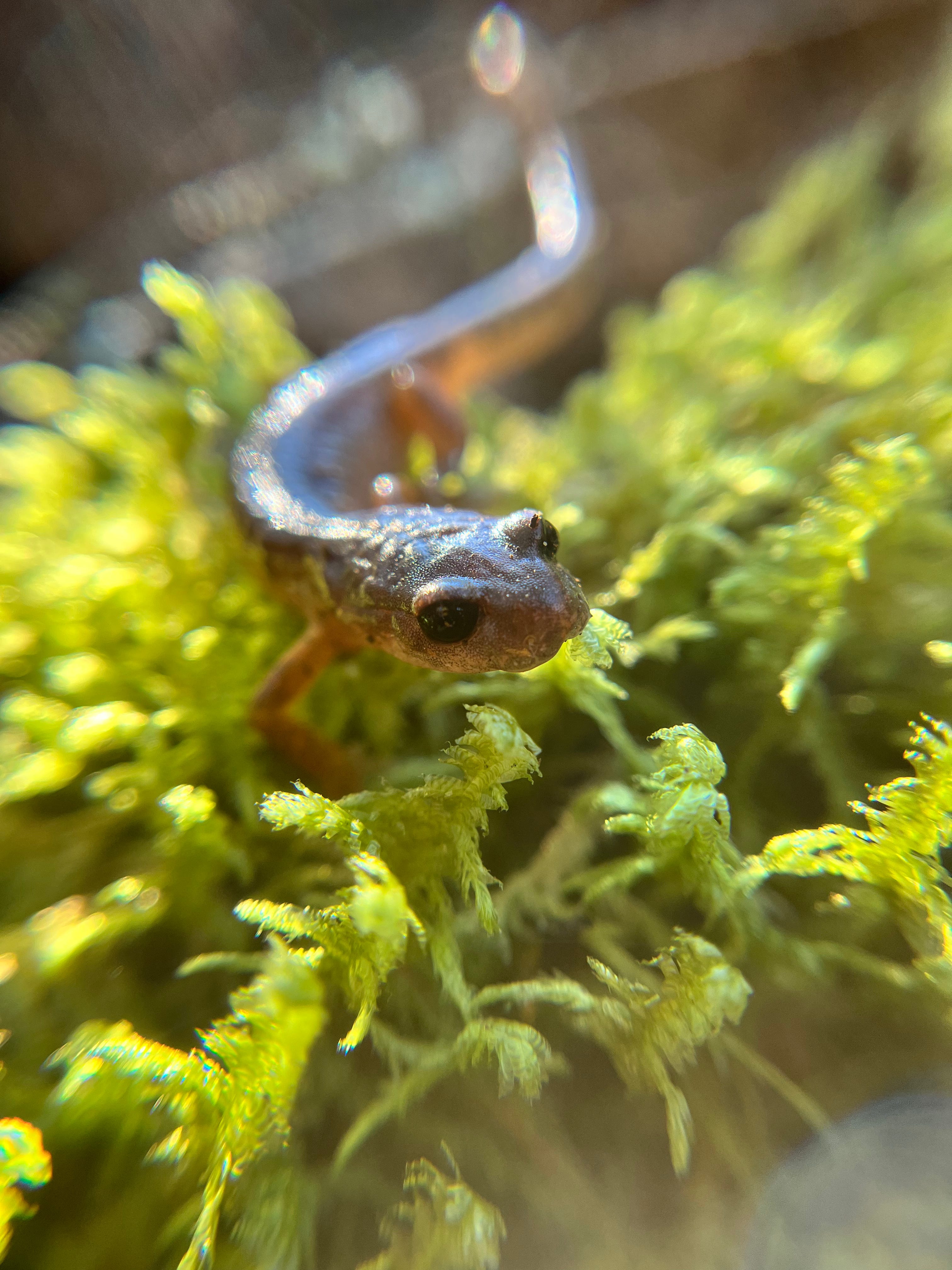
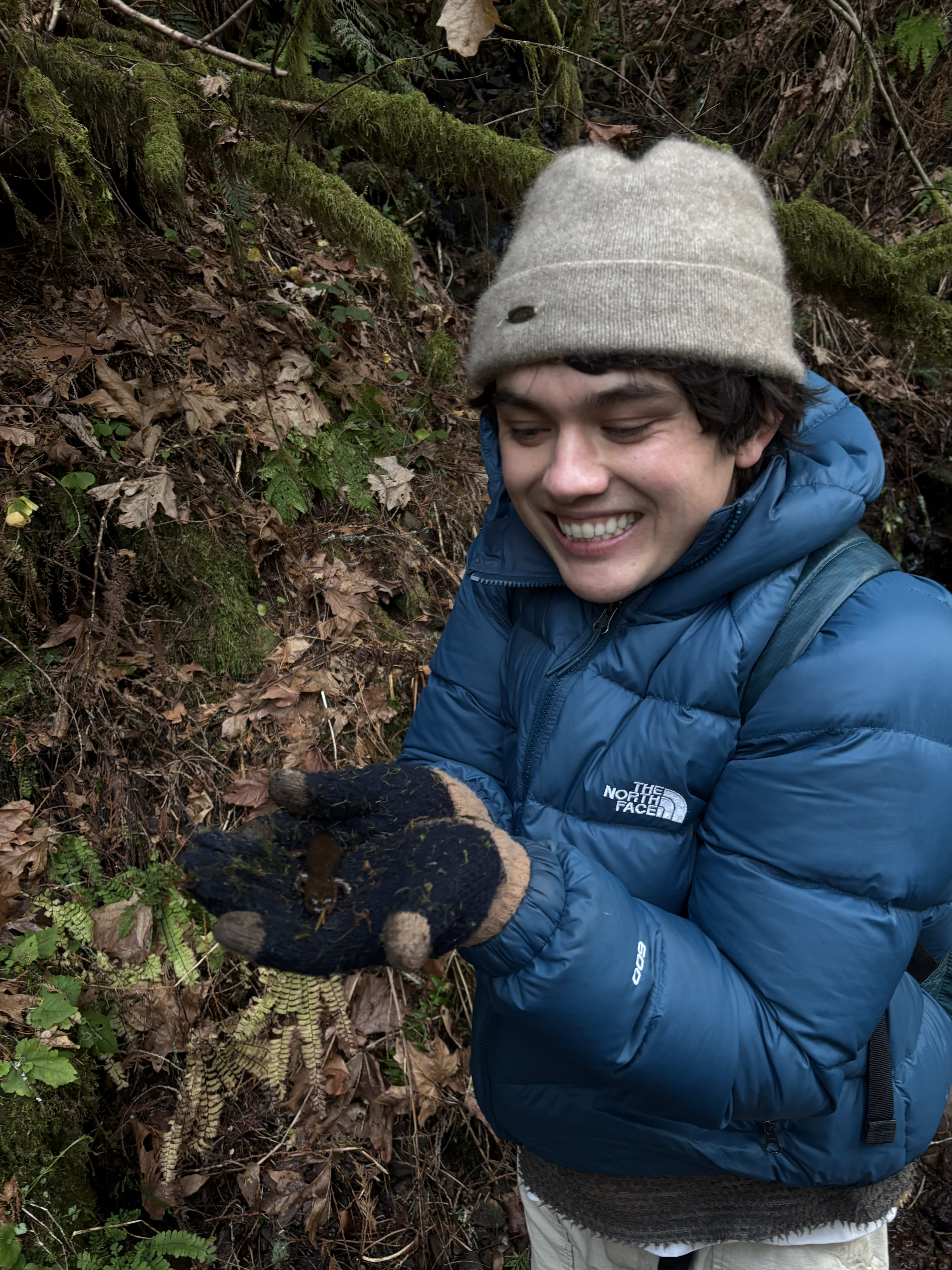
Seeing my lifer giant coastal salamander!!!!
Those photos are vivid and bring those salamanders to life another level of an ecosystem we take for granted. Thank you for educating us.